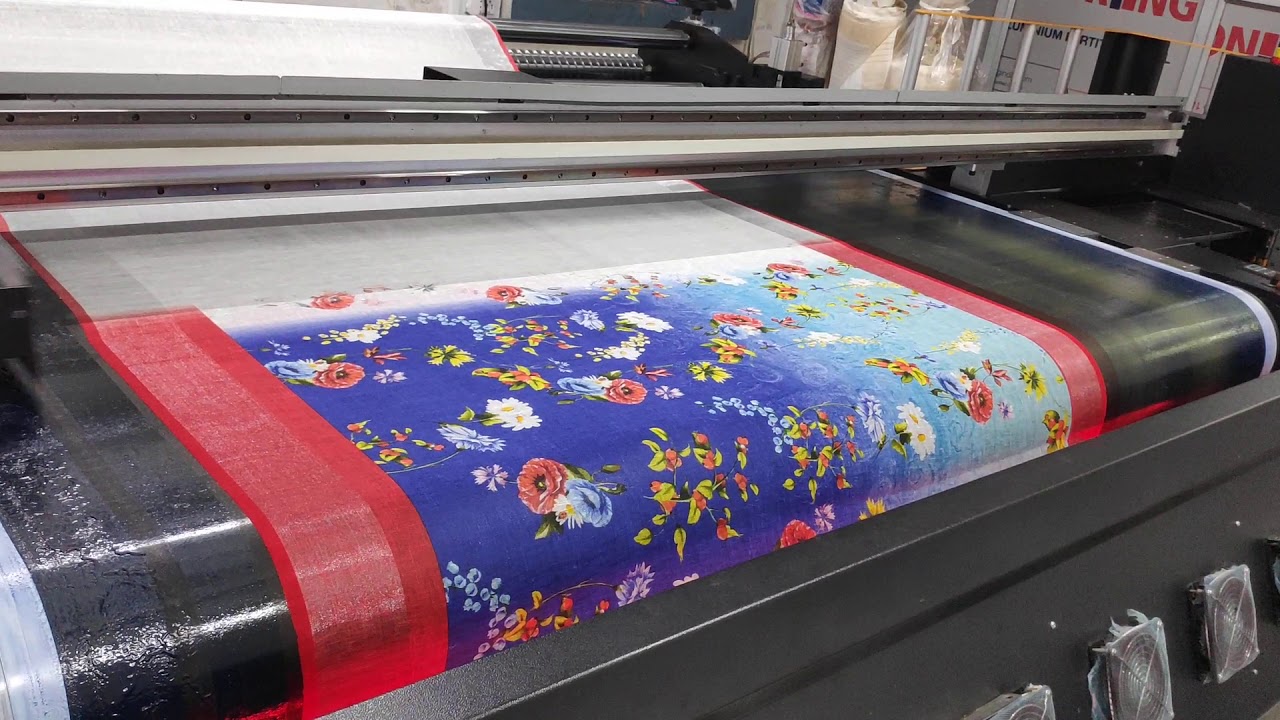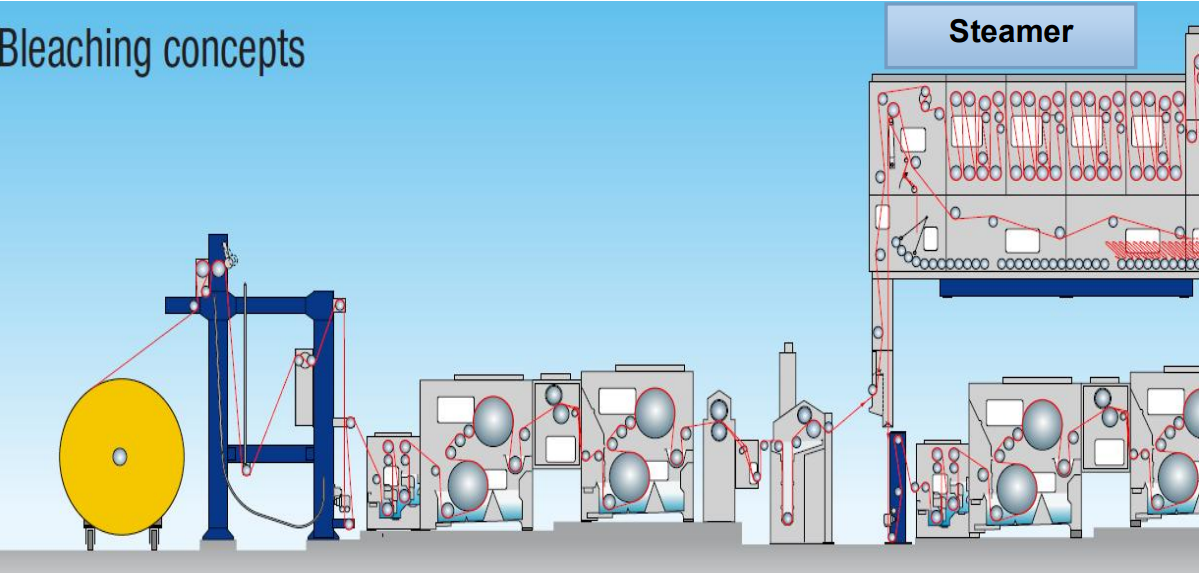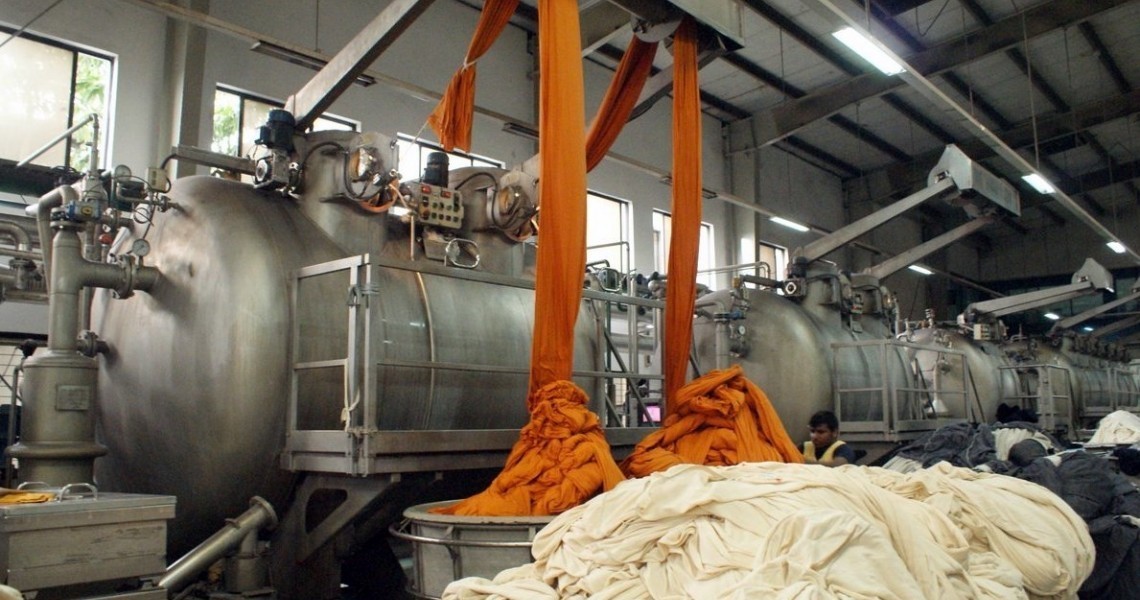

For textile printers, loop accelerants are not optional — they’re indispensable. They bridge the gap between dye and fiber performance, ensuring polyester prints meet the high standards of today’s fashion and industrial markets. As demand for vibrant, durable, and sustainable textiles grows, accelerants will continue to play a pivotal role in polyester printing. They optimize dye fixation during loop steaming, making prints more brilliant, uniform, and wash-fast.
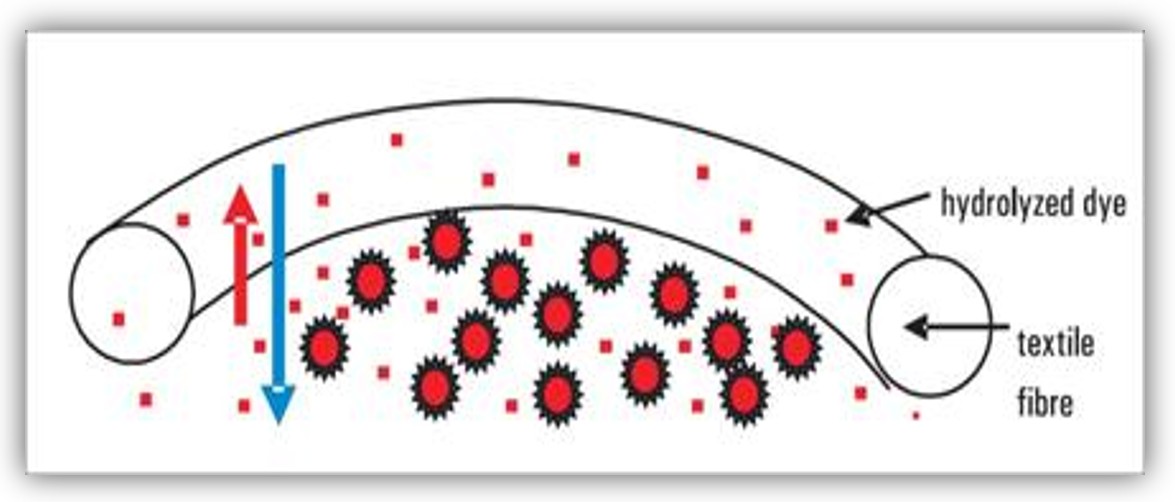
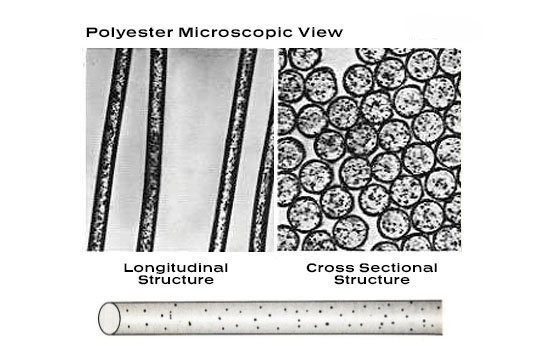
Polyester is a difficult fiber to print because of its hydrophobic nature and high affinity for disperse dyes. While disperse dyes provide bright colours, achieving deep penetration and fixation requires precise control of heat, humidity, and chemical aids. This is where loop accelerants step in — they enhance the fixation process during loop steaming, ensuring dyes fixed effectively with polyester fibers.
Loop accelerants sometimes called fixation accelerators or penetration accelerants are specialized textile auxiliaries added during the printing process.
Any penetration accelerant should possess following properties:
- * Foam suppressant
- * De-aerating
- * Wetting
Before going to these properties first let us see how the foam formation takes place.
Foam formation
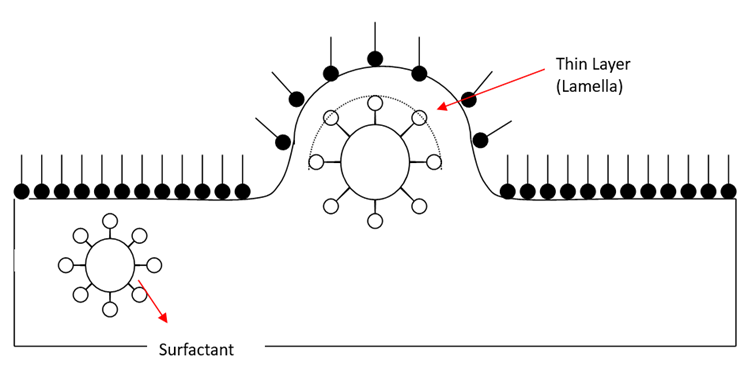
All air introduced into the treatment liquor is moved to the surface. When the air moves to the surface, it forms a thin layer (a thin lamella) of water which has surfactant on both the sides, because both the air bubble and the surface of the bath has surfactant molecules attached to it. The bubbles along with the surfactants form layers of foam.
What are foam suppressants
Soaps, detergents and surface-active agents as well as many wetting agents have a greater or lesser tendency towards foam formation. Foam formation prevents air displacement and leads to deposition of foam on the surface of the textile material impeding the reach of the chemicals / dyes on the fabric surface. Also due to the de-aerating and wetting operation, air expelled from the immersed goods leads to formation of foam in presence of the surfactant.
During dyeing when the foam collapses the dyestuff particles, which are held back in between the narrow lamella, get deposited on the fabric because of localized collection. This clearly leaves visible specks of colour and leads to unevenness. This especially is problematic in case of dyes which are insoluble (disperse, vats, sulphurs, napthols etc.)
Hence the use of foam suppressants becomes very important.
The difference between defoamers and foam suppressants.
Defoamers are products that remove the foam after the foam is generated. They are based on silicones, mineral oils, solvents etc. Foam suppressants actually prevent the formation of foam in the first place which is the need of the hour for drum washing and drum dyeing.
ACTION OF PENETRATION ACCELERANTS
Foam suppression
Penetration accelerants are a combination of hydrophobic co-surfactants and hydrophobic defoamer particles. These co-surfactants act as carrier and disperses the defoamer particles in the foam structure. These insoluble particles destabilized the lamella; the lamella becomes less supple (non-elastic because of the insoluble particles) and breaks at least stress. The rupture occurs at the inter surface between the liquid phase and the insoluble particle. The air escapes and the foam is destroyed.
De-aeration
Hydrophobic air bubbles are adhering firmly on the hydrophobic fibers. Entrapped air is the reason for pale spots or cross – over points, it can even cause cavitation of pumps in circulation machines and deformation of your bobbins or warp beams.
When penetration accelerant is added, the surfactant and co-surfactants migrate into the solution and form micelles.
The surfactants move to the surface that reduces the concentration in the liquor. To re-establish equilibrium the miscellas break down into individual surfactant molecules, which move to the hydrophobic fiber surfaces and stay there, thus displacing the air, which was adhering to the fiber (hydrophobic surface)
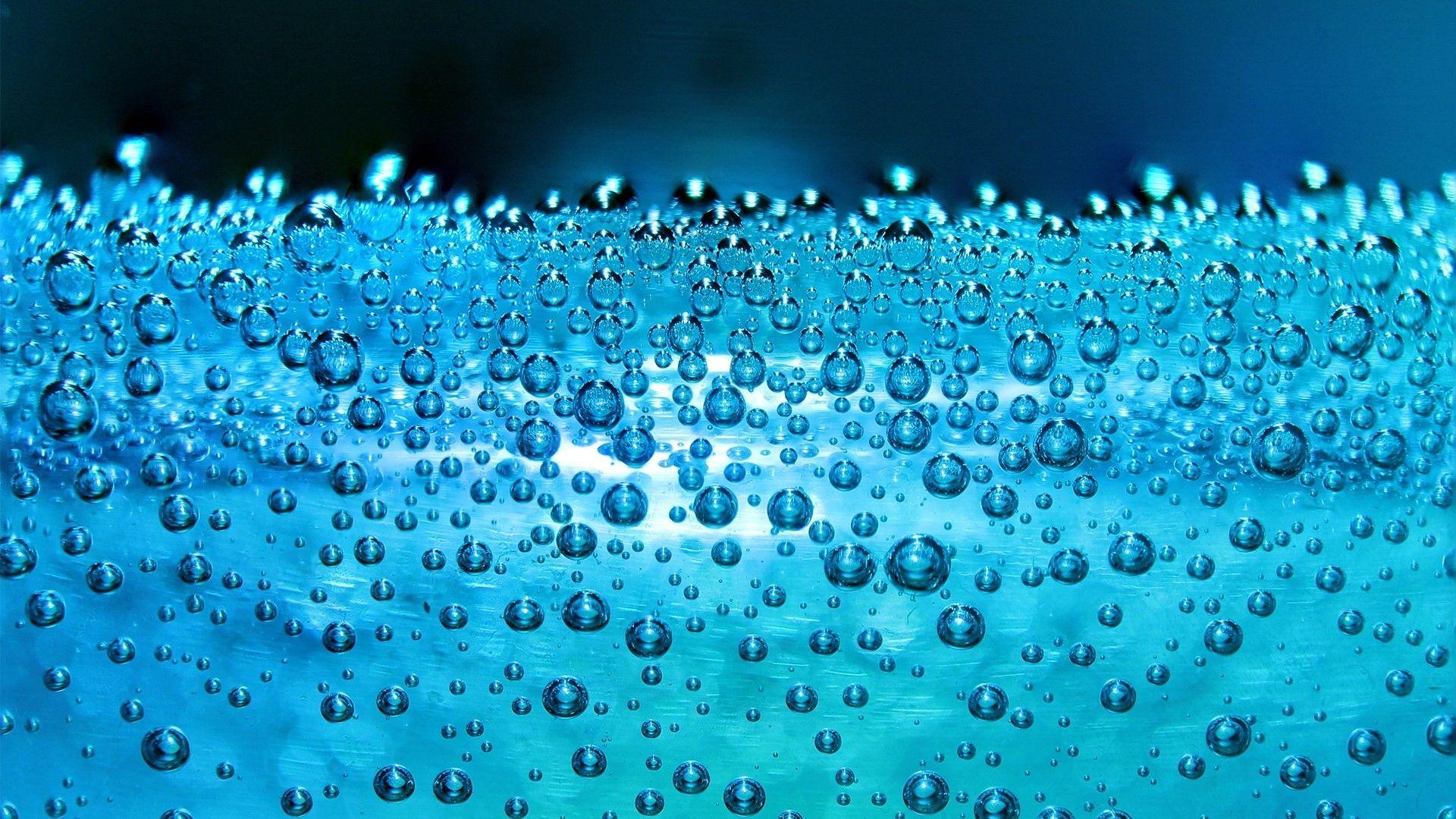
This phenomenon can be seen when the fabric / yarn etc. is impregnated in the bath containing Nestofix DK, a series of bubbles is seen escaping from the fiber and coming to the surface.
# Exhibits excellent penetration.
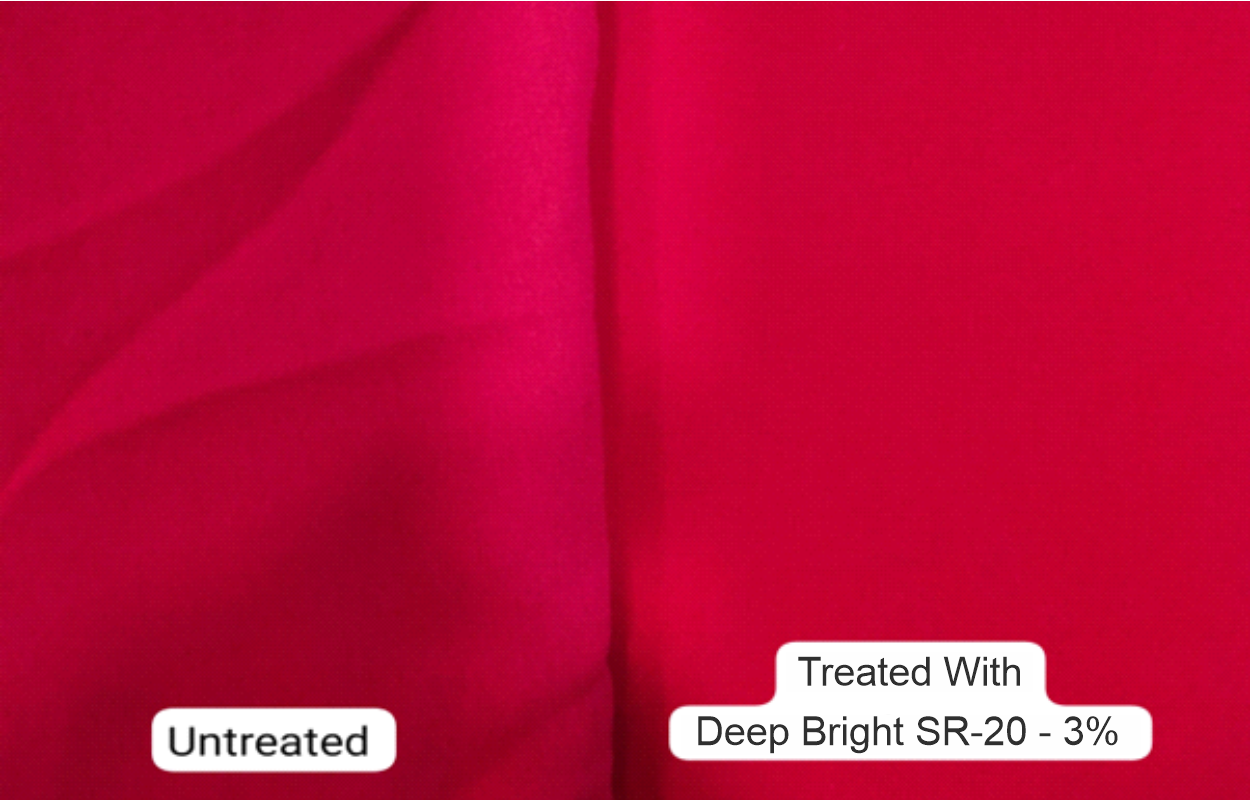
# Ensures maximum colour yield.
# Overcomes the problem of dye speckiness.
# Suitable for a wide range of disperse dyes and thickeners.
# No adverse effect on the brilliance of bright colors.
Facilitates easy removal of gum.
Nestor Industries’ team provides personalized advice on loop accelerators and customise product based on your specific requirements. We stay abreast of industry trends and continually explore cutting-edge processing auxiliaries. Nestor Industries prioritizes sustainable practices for a greener future.
If any further information required on above you can get in touch with the technical representative of the company or write on below email id,
+91 8306083020 | +91 9377781836